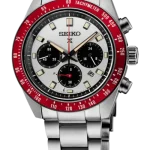
 Prospex
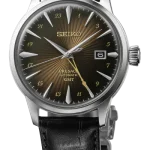 Presage
 seiko5sports
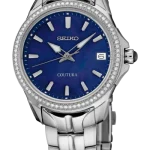 Coutura
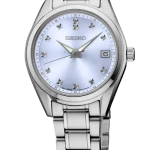 Diamonds
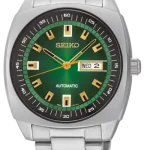 Seiko Recraft






When it comes to watches, the name Seiko rings deafeningly in the context of perfection in terms of innovation, cost, and finesse. During more than 140 years, this Japanese horologue giant has reinvented the word extraordinary timepiece, taking Swiss dominance and democratizing the quality watch making industry to enthusiasts and wearers who do not need to think before using the watch. Since it pioneered the industry in terms of quartz technology and produced some of the most revered mechanical movements in the world, Seiko has a history of unremitting innovation, engineering perfection and unbending devotion to excellence.
Seiko
The history of Seiko dates back to 1881 when a young entrepreneur known as Kintaro Hattori established a watch and jewelry store in the Ginza area of Tokyo. Hattori founded K. Hattori and Co. at a very young age, 21, and his first commodity was importation and sale of the foreign timepieces. Nonetheless, the desires of Hattori were much more than selling. His dream was to produce the first watches in Japan, domestic produced watches and this would come to pass and change the world watch making industry.
In 1892, Hattori founded the Seikosha factory which means House of Exquisite Workmanship. This factory was to be seiko 5 the cradle of the Japanese excellence in watchmaking. The earliest Seiko pocket watch was released in 1895, and this was the start of a tradition that always lasted over 100 years. These early watches showed the Japanese attention to accuracy and excellence which would become a standard of the Seiko brand.
The first decades of the 20th century were time-consuming with Seiko overcoming various difficulties, such as the Great Kanto Earthquake of 1923 that destroyed the original factory. However, the company recovered and became even stronger and the first wristwatch in Japan was launched in 1913 and the company kept on pushing the limits as to what the Japanese manufacturing could make.
The Quartz Revolution
The introduction of the Astron in 1969 in Seiko history probably had the greatest impact on the industry of watch-making. The Seiko Astron became the first mass-produced quartz wristwatch in the history of the world and a technological breakthrough which would change the horological scene permanently. This led to what came to be known as the Quartz Crisis or Quartz Revolution, a phase in the 1970s and 1980s whereby traditional Swiss mechanisms of making mechanical watches were pressed to the point of extinction by low-cost and precise quartz technology.
The quartz revolution made the watchmaking methods democratically unparalleled. Now suddenly the common consumers were able to possess timepieces which were comparable or even superior to the precision of the costly Swiss mechanical watches. Such a change compelled the rest of the industry to become more innovative or die. Most Swiss producers found it hard in this time but the ones that survived found themselves more concentrated on luxury positioning and mechanical artisanship as their point of difference.
Mechanical Mastery: The Grand Seiko Story
Although the quartz innovations made by Seiko drew the eyes of the world, the company did not forget that it was a maker of mechanical watches. In 1960, Seiko introduced the Grand Seiko collection, which was aimed at producing the best mechanical watches to date. Grand Seiko first used the caliber 3180, which was a hand-wound movement that competed against the finest Swiss timepieces in terms of performance, performance, and attractiveness.
Grand Seiko set immensely high levels of quality to its time pieces, which included some standard testing procedures which were beyond the formal standards of chronometer certification. To test the watches in real-life conditions, the brand created its own standards of accuracy, putting the watches in different postures and under different temperature conditions to see how the watches perform under real-life conditions.
The Spring Drive movement, brought out in 1999 after almost 30 years of development, may be the biggest mechanical innovation at Grand Seiko. The new technology is revolutionary and it incorporates the mainspring source of power in mechanical watches with the quartz regulation accuracy resulting in 1 second per day, which is very precise. The sweeping seconds hand of the Spring Drive. slides across the dial without any audible ticks and presents a hypnotizing visual effect which fanatics refer to as the Grand Seiko glide.
Grand Seiko is a brand in the Seiko Group nowadays that runs on its own and deals solely in high-end mechanical and Spring Drive watches. The brand has maintained a reputation among the collectors and fans of the world as a brand that has superior finishing, innovative movements as well as the Japanese aesthetic sensibilities.
Iconic Collections and Models
Seiko has an enormous number of collections that have become iconic among watch lovers due seiko presage to the large number of collections they offer. The series of Seiko 5 in 1963 is a representative example of the brand in terms of their promise of quality that is affordable. Known by its five major features automatic winding, day-date, waterproofing, in-layed crown, and hardened case the Seiko 5 has initiated many people into the world of mechanical watch making at extremely low costs.
The Prospex line is the professional diving and sports watches line of Seiko, which created such legendary models as the SKX007 better known as the Seiko Diver. Over the decades, professional divers, military men, and watch enthusiasts have depended on Seiko dive watches and some of the older models fetch huge prices in the secondhand market.
Presage line The Presage line is a more dress-oriented and elegant display of Seiko designs, commonly incorporating elements of Japanese aesthetic, like, enamel dials based on Japanese porcelain or patterns on the dial reminiscent of traditional crafts. These watches fill the void between the daily wear and the occasion-specific versatility, and they all come at affordable prices.
One of the early chronographs to enter space was the Pogue worn in the Skylab 4 mission by astronaut William Pogue in 1973, which was the heritage of Seiko chronographs. This was a milestone that established the technical potential of Seiko and it set the brand as a credible brand in the professional use of timepiece.
Innovation and Technology
Seiko has always been at the forefront in terms of its technological advancements. The company seiko alpinist was the first to introduce kinetic technology beyond quartz and Spring Drive which uses the movement of the wearer to produce electrical energy in order to drive quartz movements. This innovation did not need any battery replacement with quarter accuracy.
The solar-powered watches produced by Seiko use the power of the sunlight and convert it into electricity stored in rechargeable cells. These sustainable watches have the ability to operate months even in a total darkness following full charge, which is comfortable and environmentally friendly.
Another frontier offered by this brand is GPS solar technology, where watches are able to keep time to the dot anywhere on the planet and automatically adapt to time changes according to the time zone. These advanced watches reflect the fact that Seiko would be able to incorporate the latest technology into everyday, wearable watches.
Manufacturing Excellence
Vertical integration is yet another factor that makes Seiko stand out among a large number seiko prospex of its competitors. The company even makes virtually all the parts, including hairsprings and balance wheels, cases, and even crystals, as well as lubricants applied in its movements. This total control of production guarantees the standard of production and allows rapid innovation.
The company has various manufacturing plants in Japan that deal in various areas of watch manufacturing. Grand Seiko mechanical watches are made in the Shizukuishi Watch Studio located in the north of Japan and benefits of the clean environment and the artisans of Japan. Shiojiri factory concentrates on the quartz and Spring Drive movements whereas other places deal with the production of cases, assembly, and quality control.
The company has been dedicated to craftsmanship in Seiko that includes training programs that do not only maintain the traditional skills but also implement new techniques. Master watchmakers are also imparting their expertise to novices in intensive training courses that may take several years and this guarantees the onward transmission of the high quality craftsmanship to the next generation.
Global Impact and Legacy
The contribution of Seiko in the world of watches cannot be overestimated. The innovations of the brand made the whole industry change, which finally resulted in the current diversity of the market with mechanical, quartz, and hybrid technologies existing. Seiko showed that it did not have to be prohibitively costly to manufacture a high-quality watch and also that not all technological innovation had to come from the conventional European horological capitals.
Its reputation of precision and reliability has also been contributed to by the fact that the brand was the official timekeeper of so many Olympic Games, world cup events and other international sporting events. These high-profile associations demonstrate the timing technology of Seiko to the global arena and identify the brand with perfection when it comes to human accomplishments.
Collecting and Community
Seiko has developed one of the most fanatical and dedicated communities in watch making. Forums and social media communities and collector events hail the discovery of old Seiko to the discovery of new Grand Seiko. The accessibility of the brand is a perfect point of entry by the new collectors and luxury products will be offered to satisfy enthusiasts who are experienced and seek an unparalleled value and quality.
The community that has developed around Seiko watches, specifically SKX and the Seiko 5 watch, has developed into a cottage industry of aftermarket parts and custom-built watches. The fans also value the high quality of the construction and uniformity of the parts used in the production of the watches, which make Seiko a great platform to be customized.
Conclusion
Since its humble inception in Kintaro Hattori in 1881, up to the present world-renowned horological giant, Seiko has always been about innovation, perseverance, and an uncompromised devotion to quality. The brand has introduced quartz technology to revolutionize the time keeping, preserved the mechanical watch making culture in Grand Seiko, and provided unparalleled value at all levels of prices.
The legacy of Seiko is not limited to the watches but has a wider meaning of democratization of timekeeping. The company has shown that high quality workmanship and new technology do not have to be prerogative of the big spenders but can be enjoyed by anybody willing to admire a well-designed watch. The brand has something relevant to everyone, be it the first mechanical watch of any student or the most practical watch of a professional or the most valuable Grand Seiko of a collector.
As Seiko keeps developing and innovating, its key principles have not changed, which are precision, quality, and value. Seiko is the evidence that in a world where heritage and tradition are sometimes the dominant factors, innovation and craftsmanship can be equally viable, thus producing timepieces that commemorate the past yet avoid being stuck in it, instead embracing the modern world. To watch lovers and even casual users, Seiko is a not only the excellence of the Japanese watchmaking industry, it is also a permanent promise to produce the finest timepieces that could suit anyone.
